|
Sacramento Rack and Shelving | RackMan.com Last updated: June 2026 How Much Does Pallet Rack Cost in 2026? A Plain-English Pricing Guide for Sacramento-Area Warehouses If you’ve ever tried to get a straight answer on pallet rack pricing, you’ve probably noticed that nobody leads with a number. Suppliers hedge, manufacturers list “starts at” figures, and online guides bury the real costs in footnotes. This guide is different. We’re going to give you real 2026 price ranges, explain what drives the cost up or down, and — because we’re in California — cover the seismic and permit requirements that most national guides completely ignore. Pallet Rack Pricing at a Glance The most useful way to budget pallet rack is cost per bay. A standard selective rack bay consists of two upright frames, four to six load beams, and wire decking. Source: 2026 market data. Prices fluctuate with steel commodity markets. What Drives the Price Up or Down 1.New vs. used rack Used pallet rack is one of the best values in the warehouse equipment world. A structurally sound used selective rack bay that would cost $675 new can often be purchased for $225–$425 — a 40–60% savings. The key is buying from a reputable source that inspects and grades the material before selling it. At Sacramento Rack and Shelving, we carry the Sacramento area’s largest inventory of used pallet rack. Every piece we sell has been inspected. If it’s bent, cracked, or compromised, it doesn’t go on our floor. 2.Rack type and storage density Selective rack is the most affordable because it’s the simplest: one pallet deep, accessible from any aisle. High-density systems like push-back or drive-in store more pallets per square foot but cost significantly more per position. Generally, the denser the system, the higher the price. 3.Height, depth, and load capacity A 12-foot high selective bay costs less than a 20-foot high bay. Deeper uprights (48–60 inch) cost more than shallower ones (36–42 inch). Heavy-duty configurations rated for 5,000+ lbs per beam level run 10–15% more than standard-capacity systems. 4.Steel prices Pallet rack is fundamentally a steel product, so the steel commodity market directly affects pricing. When steel prices spike — as they did during the supply chain disruptions of recent years — new rack prices follow. Used rack prices tend to rise in tandem, though they’re buffered by the existing supply in the secondary market. 5.Quantity Buying 50 bays costs less per bay than buying 5. If you’re outfitting a large facility, expect pricing to improve significantly at volume thresholds. For smaller projects, buying used is usually the most effective way to control cost. The California Factor: Seismic Requirements and Permits This is the section most national pricing guides skip entirely — but if you’re installing rack in Sacramento or anywhere in California, it’s the section that matters most to your budget. What does seismic compliance actually cost? Budget these additional line items for any California rack installation: •Building permit fees: $500–$2,500 depending on jurisdiction and project size •Seismic engineering calculations (PE-stamped drawings): $1,500–$5,000 •Fire marshal inspection (racks over 6 feet with flammable storage): required •Larger base plates and heavier anchoring hardware: built into seismic-spec rack •Overall cost premium for seismic-compliant systems: 15–30% vs. standard rack What happens if you skip the permit? California building officials can place a stop-work order — or a yellow tape around already-installed rack — forcing you to tear it all out and start over. Beyond the financial cost, an improperly anchored rack in a seismic event can collapse, injuring workers and destroying inventory. The permit process exists for good reason. Sacramento Rack and Shelving offers permit services as part of our installation packages. We know the local AHJ (Authority Having Jurisdiction) requirements and can help you navigate the process from CAD drawings through final inspection. Don’t Forget Installation Equipment prices are only part of the total cost. Installation adds: •Labor: $1–$3 per pallet position for basic selective rack; more for complex systems •Delivery: typically LTL freight, varies by distance and order size •Site prep: floor leveling, anchoring, removal of old equipment if applicable For a mid-sized Sacramento warehouse project — say, 500 bays of selective rack — installation and delivery might add $8,000–$20,000 to the equipment cost. It’s real money, but skipping professional installation to save it often costs more in repairs and liability down the road. Should You Buy New or Used Rack? For most Sacramento-area buyers, used rack is the right call. Here’s how to think about it: The most common mistake we see: buyers assume used means compromised. Structural steel rack built to RMI standards has a very long service life. A well-maintained used bay installed in the 2000s may have decades of use left. The question isn’t “new vs. old” — it’s “was it inspected and is it structurally sound?” How to Get an Accurate Quote
To get a useful quote from any supplier — including us — come prepared with: •Approximate number of pallet positions needed •Desired rack height (this triggers permit requirements in California) •Load weight per pallet (determines upright and beam gauge) •Warehouse floor dimensions and ceiling clearance •Whether you need delivery only or full installation •Timeline (do you need it in 2 weeks or 2 months?) With that information, we can typically turn around a detailed quote within 24 hours and have used material ready to ship same week for standard configurations. Ready to get a quote? Sacramento Rack and Shelving has the Sacramento area’s largest inventory of new and used pallet rack, shelving, cantilever rack, and warehouse equipment. We also offer delivery, installation, and permit services throughout the Sacramento region.
0 Comments
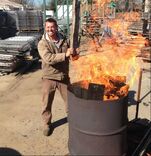
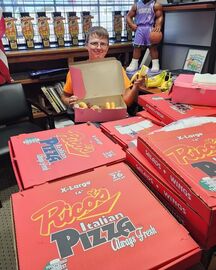
Sacramento Rack and Shelving · RackMan.com · June 2026 That's James. He works here at Sacramento Rack and Shelving, and on the day this photo was taken he had just finished loading a full bed of hand trucks onto our delivery truck for a customer run. He gave a thumbs up, we grabbed a photo, and it got us thinking: we spend every day in and around warehouses. We see what works and what drives people crazy. So here are 10 genuine warehouse life hacks — not marketing fluff, just things that actually save time, space, and frustration. Whether you've got 2,000 square feet or 200,000, these hold up. We've been doing this a long time at Sacramento Rack and Shelving — buying, selling, delivering, and installing rack and warehouse equipment all over the Sacramento area. If any of these nudged you to think about a layout change, an upgrade, or just finally getting those column protectors, you know where to find us.
Sacramento Rack and Shelving | RackMan.com Last updated: May 1, 2026 California Pallet Rack Seismic Requirements: What Every Sacramento Warehouse Needs to Know A plain-English guide to permits, PE drawings, anchoring, and what happens if you skip the process California has some of the strictest pallet rack regulations in the country — and with good reason. We sit on some of the most seismically active ground in North America. A rack system that would pass inspection in Ohio may not even get a permit in Sacramento. If you’re buying, installing, or already operating pallet rack in the Sacramento area, this guide covers what the law actually requires, what you’ll need to submit to get a permit, and what a seismic-compliant installation looks like in practice. We’ll also cover what Sacramento Rack and Shelving provides to help you get through the process without surprises. Why California Is Different From Every Other State Most states follow the International Building Code (IBC), which requires building permits for rack systems over 8 feet tall. California goes further: the California Building Code (CBC) triggers a permit at 5 feet 9 inches of stored height — a threshold most warehouse racks exceed before they’re even halfway up. Beyond height, California’s seismic exposure means that any permitted rack must be engineered to withstand lateral earthquake forces. That requires more than standard hardware — it requires a licensed Structural or Civil Engineer to calculate site-specific seismic loads, specify the anchoring and bracing, and stamp the drawings before your local building department will issue a permit. The governing standards for this engineering work are ANSI MH16.1 (the Rack Manufacturers Institute’s specification for industrial steel storage racks) and ASCE 7 (the engineering standard for seismic load calculations). Both are referenced by the CBC. California Permit Thresholds: The Height Rules Requirements tier up by height. Here’s how it breaks down for most California jurisdictions, including Sacramento: Note: Thresholds vary by jurisdiction (AHJ). Always verify with your local building department before installation. Sacramento, Elk Grove, Roseville, and other Sacramento-area cities may have specific requirements that differ from state minimums. What Seismic-Compliant Rack Actually Looks Like Seismic compliance isn’t just a piece of paper — it affects the physical hardware that goes into the installation. Here’s what changes when a rack is engineered for California seismic zones: Larger baseplates Standard rack baseplates can be as small as 3” x 5”. Seismic baseplates in California installations are often 8” x 8” to 12” x 12” or larger, depending on the engineering calculations. The bigger plate distributes the lateral forces from an earthquake over more of the concrete floor. Heavier anchoring Seismic installations typically use high-strength wedge anchors or epoxy anchors drilled deep into the concrete slab. The number, diameter, and embedment depth of anchors are specified by the engineer based on the calculated seismic base shear for your specific site. If your floor slab is thinner than 6 inches or has low PSI strength, you may need additional concrete work before installation. Cross-aisle and spine bracing Taller rack systems and those in higher seismic design categories require mandatory cross-aisle bracing at specified intervals. This ties individual rack frames together so the system moves as a unit in a seismic event rather than toppling independently. Height-to-depth ratio limits ANSI MH16.1 limits rack height to no more than 6 times the depth of the upright frame -the 6:1 rule. A 42-inch deep upright frame cannot exceed 21 feet in height without special engineering and additional anchoring. Systems that exceed this ratio require a licensed engineer to certify that the anchoring alone is sufficient, or additional bracing must be added. Reduced rated load capacities Counterintuitively, seismic-engineered rack systems sometimes have lower rated load capacities than their non-seismic equivalents. The lateral seismic forces reduce the vertical load the upright can safely carry. Your PE-stamped drawings will include updated load placards that reflect the seismic-adjusted capacity — and those are the numbers your operation must follow. The California Permit Process, Step by Step Here’s what getting a permit for a rack installation in Sacramento actually involves:
depending on system complexity.
Beyond the permit consequences, the seismic risk is real. Sacramento sits within range of multiple fault systems, including the East Bay fault zone. An improperly anchored rack system loaded with heavy inventory can become a life-threatening hazard in even a moderate seismic event. Workers have been killed by collapsing rack systems.
There’s also an insurance dimension: non-compliance with applicable building codes can void property and liability insurance coverage for a seismic event. If your rack collapses and you didn’t have the required permits, your insurer may deny the claim. What Sacramento Rack and Shelving Provides We know that the permitting process is one of the biggest friction points for warehouse operators buying rack in California. It’s not complicated once you’ve done it, but it’s unfamiliar territory for most buyers. We offer the following to help:
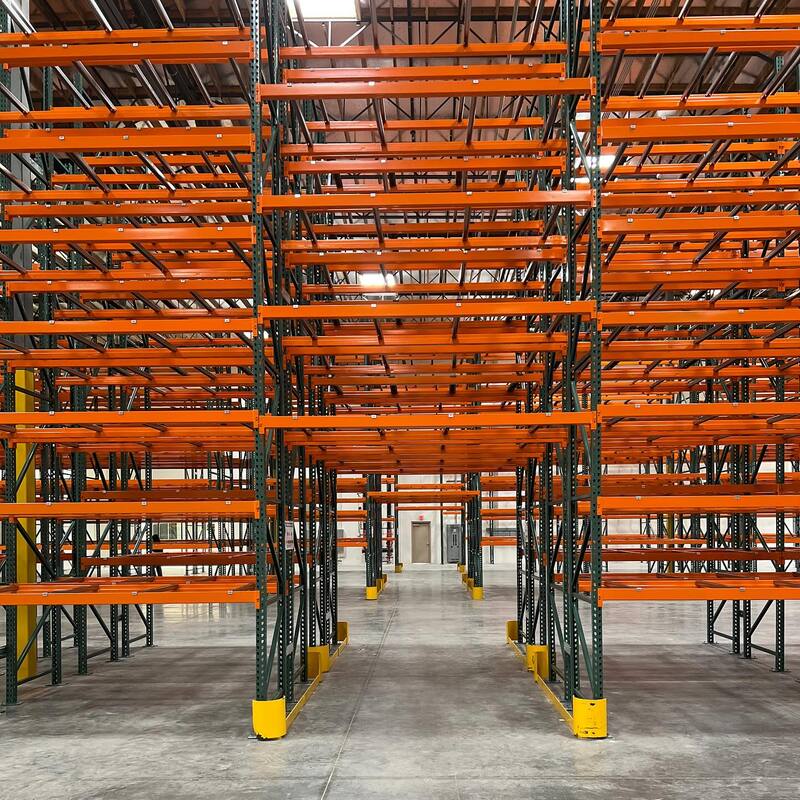
Does used pallet rack qualify for California seismic installations? Yes. The seismic engineering is site-specific — it’s based on your location, your floor, and your rack configuration, not the age of the steel. A qualified engineer can certify used rack for a California seismic installation. What matters is that the upright gauge and condition meet the engineer’s specification for the calculated loads. My rack is already installed without a permit. What do I do? You’re not alone — this is more common than most operators admit. The pragmatic path is to work with a supplier and engineer to bring the system into compliance proactively, rather than waiting for an inspection to force the issue. In many cases, this involves getting PE drawings prepared for the as-built configuration, submitting a permit application, and making any required hardware upgrades (usually anchoring). We can help you work through this process. How long does the permit process take in Sacramento? Plan for 4–8 weeks from submitting a complete permit package to receiving approval, though this varies by building department workload and project complexity. Fire Prevention permits for high-piled storage can run on their own timeline. Starting the permit process before rack arrives — not after — is the right approach. What’s the 6:1 height-to-depth rule? ANSI MH16.1 limits the height of a rack to no more than six times the depth (front-to-back measurement) of the upright frame without special engineering. A standard 42-inch deep upright can be up to 21 feet tall under this rule. Beyond that, additional anchoring, bracing, or engineering analysis is required. In practice, most standard Sacramento warehouse installations fall within this ratio, but very tall or narrow-profile systems may not. Get a Quote That Includes the Permit Work Sacramento Rack and Shelving has been navigating California seismic requirements for decades. We carry the Sacramento area’s largest inventory of new and used pallet rack, and our installation packages include permit coordination for projects that need it. If you’re planning a new installation — or need to bring an existing one into compliance — call or email us. We’ll tell you exactly what your project needs and what it will cost, without the runaround. Warehouse Safety: What the Numbers Say — and What You Can Actually Do About It The stats are sobering. The fixes are mostly straightforward. Here's where to start. A properly organized warehouse with clear aisle markings and loaded pallet rack — the foundation of a safe operation. Most warehouse safety conversations start after something goes wrong. A forklift clips an upright. A beam sags under an overloaded pallet. Someone slips in an unmarked aisle. By that point, the conversation isn't about prevention — it's about paperwork, insurance, and what should have been done. We'd rather have this conversation earlier. At Sacramento Rack and Shelving, we see the inside of a lot of Sacramento-area warehouses. Some are models of organization. Others have rack that hasn't been inspected since it was installed, uprights with forklift damage that nobody's addressed, and load placards that are either missing or no longer accurate. This post covers the numbers behind warehouse injuries, the most common rack-specific hazards, and practical steps you can take this week. The Numbers You Should Know Warehousing is one of the more dangerous industries in the American economy. The data from OSHA andthe Bureau of Labor Statistics is consistent and stark: That last number — 70% preventable — is the one that should stick with you. The majority of warehouse injuries don't happen because of freak accidents. They happen because of known hazards that weren't addressed: inadequate training, unmaintained equipment, rack that was damaged and never repaired, aisles that were never properly marked. The Rack-Specific Hazards Most Warehouses Underestimate Rack collapse is a low-frequency, high-consequence event — meaning it doesn't happen often, but when it does, the results are catastrophic. The leading causes are predictable and largely preventable. Cumulative forklift impact damage This is the most common rack hazard we see, and the most consistently underestimated. A forklift clips an upright. The operator checks, doesn't see anything obvious, and moves on. This happens ten more times over six months. Each impact deforms the steel slightly. The upright's load capacity degrades with each hit. Eventually something gives — not from a dramatic collision, but because the rack was already compromised and a normal load pushed it past the limit. The fix: column protectors on every end cap, no exceptions. They're inexpensive, they absorb impacts that would otherwise go straight into the upright, and they make damage visible. A bent column protector tells you a hit happened. A bent upright with no protector tells you the same thing, but the damage is already structural. Overloaded bays Every rack bay has a posted load capacity. That number is an engineering specification, not a suggestion. Overloading doesn't just stress the beams — it changes the load distribution on the uprights and the anchor points. In California, where seismic loads are already factored into the engineering, an overloaded bay means the system is no longer within the parameters of its PE-stamped design. The fix: make sure load placards are posted, visible, and accurate. If you've changed what you're storing since the rack was installed, the placards — and potentially the engineering calculations — need to be revisited. Improper loading — height and distribution ANSI MH16.1 establishes a 6:1 height-to-depth rule for rack stability. Beyond that ratio, the rack becomes prone to tipping under lateral load — exactly the kind of lateral load a forklift creates when it bumps an upright, or that an earthquake generates. Loads stacked unevenly across a bay also create imbalanced stress on the beams and uprights. Missing or inadequate anchoring Every upright column should be anchored to the floor. In California, that anchoring must meet seismic engineering specifications — which means specific anchor bolt types, depths, and base plate sizes specified by a licensed engineer. Rack that was installed without permits, or rack that has been relocated without re-engineering, may have no anchoring at all, or anchoring that doesn't meet current code. A Word on Forklifts and Rack: They're Not Separate Problems
Forklift-related incidents account for nearly 40% of fatal warehouse accidents. And the number one way forklifts kill people isn't a head-on collision — it's tip-overs, which account for over 40% of forklift fatalities. Tip-overs happen when operators carry loads too high, take corners too fast, or operate on uneven surfaces. The connection to rack safety is direct: a forklift operator carrying a load too high can't see pedestrians in the aisle. That same elevated load, if the operator has to stop suddenly, creates a forward momentum that can push the forks into the rack face. The rack takes the hit, the upright takes the damage, and six months later someone wonders why a bay collapsed. Good rack safety and good forklift safety are the same program. They both require trained operators, maintained equipment, clear aisle markings, and a culture where people report damage instead of hoping nobody notices. Sacramento Rack and Shelving has been supplying, installing, and servicing warehouse rack in the Sacramento area for decades. We sell column protectors, wire decking, and replacement components. We do installations that include proper anchoring and permitting. And we can take a look at existing rack and tell you honestly what we see.
Project Manager / Installation Superintendent
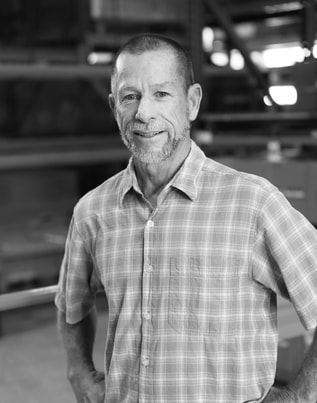
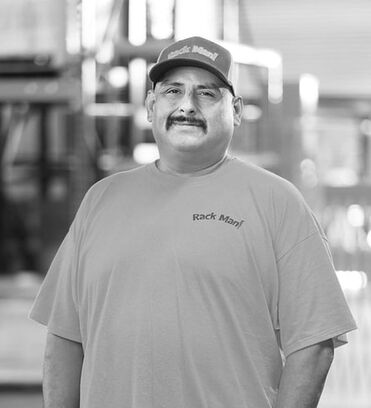
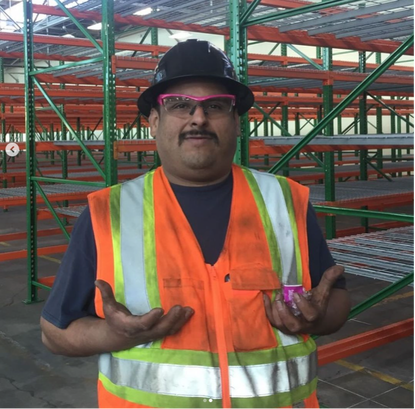
Alfonso is going on 20 years with our company. Alfonso never settles for a “good” job, it always has the be EXCELLENT! There isn’t enough room on this page to describe what Alfonso has brought to our company with his incredible attitude, integrity and work ethic. Alfonso never says “no” to a challenging project, he finds solutions to make our projects the best they can be for our customers. Alfonso and his team have crisscrossed the entire United States to help our clients Nationwide. He would always prefer to be home with his family but his commitment to taking care of our customers is so important to him, he wants to be there in person to make sure each installation is “EXCELLENT”!• |
Sacramento Rack and ShelvingCommitted to Excellence Archives
June 2026
Categories |
RSS Feed